
- Home
- Earthing Electrode in India
Top Earthing Electrode Manufacturers in India|Pratik Cabletray Pune India|Earthing Electrode Manufacturers



Pratik Cabletray Private Limited is leading Earthing Electrode Manufacturers, Suppliers, Exporters in India. An Earthing Electrode is a vital component of an electrical earthing system that provides a safe path for fault and leakage currents to dissipate into the ground. It helps maintain electrical safety by connecting the electrical installation to the earth through a suitable conductive electrode.
Earthing Electrode systems are used in residential, commercial, industrial, and infrastructure installations to improve electrical safety and help protect people, equipment, and electrical systems. Proper electrode selection and installation are important for achieving an effective earthing arrangement.
Our journey began in 2008 as Pratik Enterprises, and we have grown into a Private Limited Company by focusing on customer trust, stable product quality, convenient cooperation, and the expertise of our dedicated workforce.
What is an Earthing Electrode?
An Earthing Electrode is a conductive component installed in direct or effective contact with the earth and connected to an electrical installation through an earthing conductor. Its primary function is to provide a low-impedance path for fault currents and help maintain the electrical system at a safer potential relative to earth.
Earthing electrodes can be manufactured using different conductive materials and configurations depending on soil conditions, electrical requirements, installation depth, corrosion conditions, and applicable standards. Common electrode arrangements include rods, pipes, plates, and other engineered earthing systems.
A properly designed earthing system can help reduce the risk associated with electrical faults, leakage currents, and voltage differences.
Types of Earthing Electrode Manufacturers in India
As we are leading Earthing Electrode Manufacturers in India, our Types are designed to meet different application requirements and industry standards, including the following types:
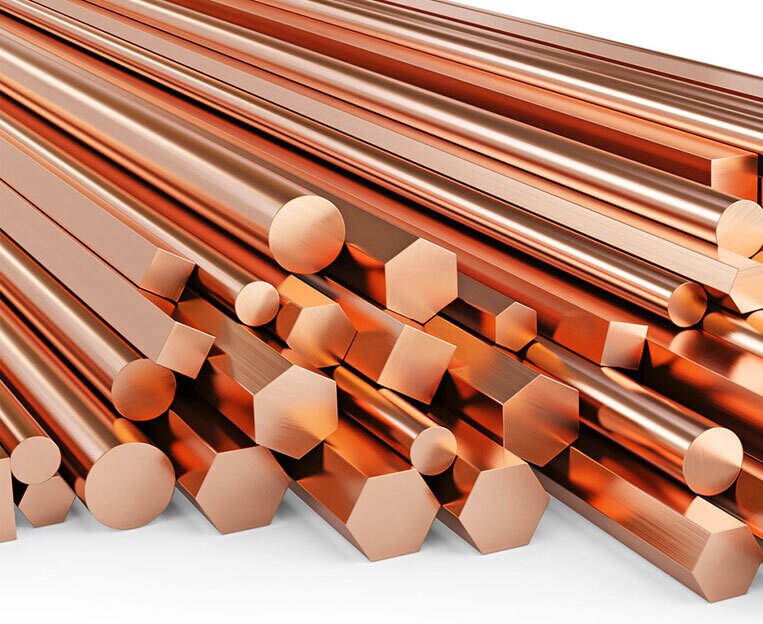
- Copper Rod Manufacturers: Copper or copper-bonded steel rod driven directly into the ground. With high conductance and corrosive resistance, it is a good, highly popular choice. Simple to install, especially in loose earth.
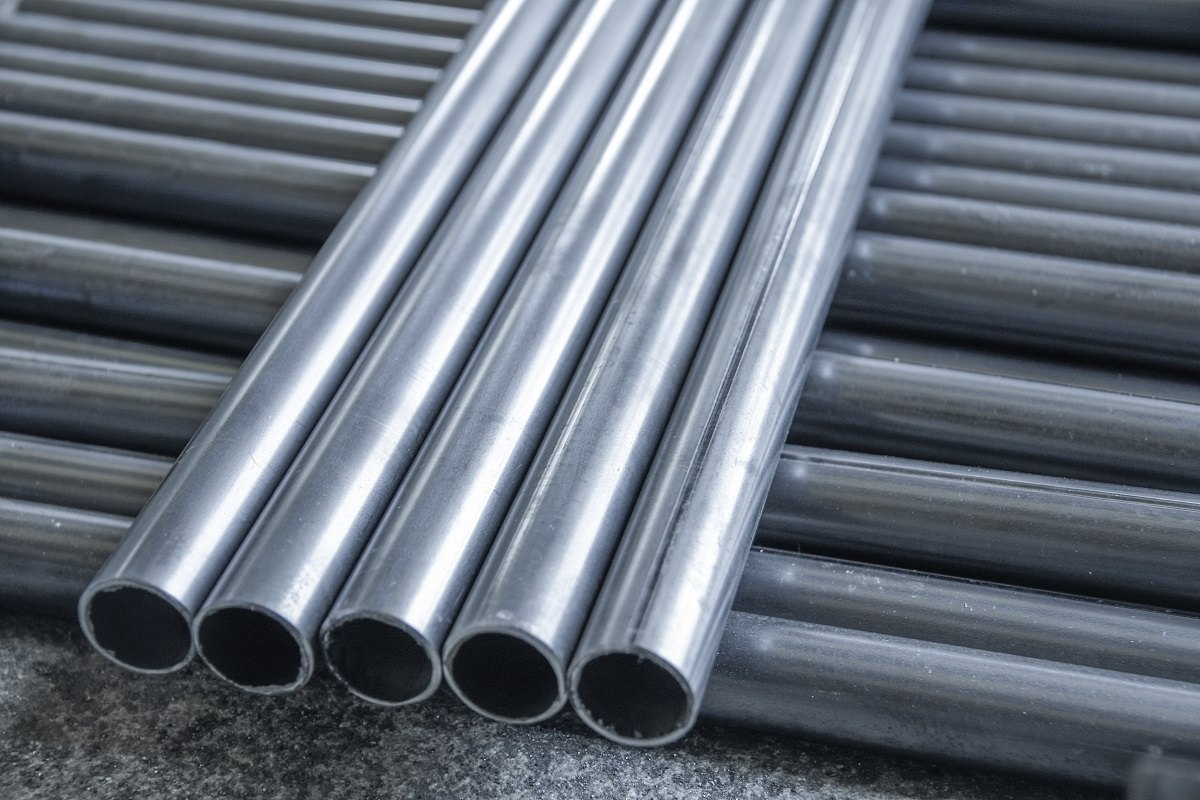
- GI (Galvanized Iron) Pipe: A pipe of tube-like shape made of galvanized iron drilled into the ground. It has a greater surface area than a rod, which will most likely give a better contact with the ground. It is an inexpensive grounding method in most situations.
- Plate Electrode Manufacturers: Copper or GI horizontal buried plate. It has a tremendous area of contact with the earth and thus finds application in the case of high resistivity soil. Burial depth is extremely important.
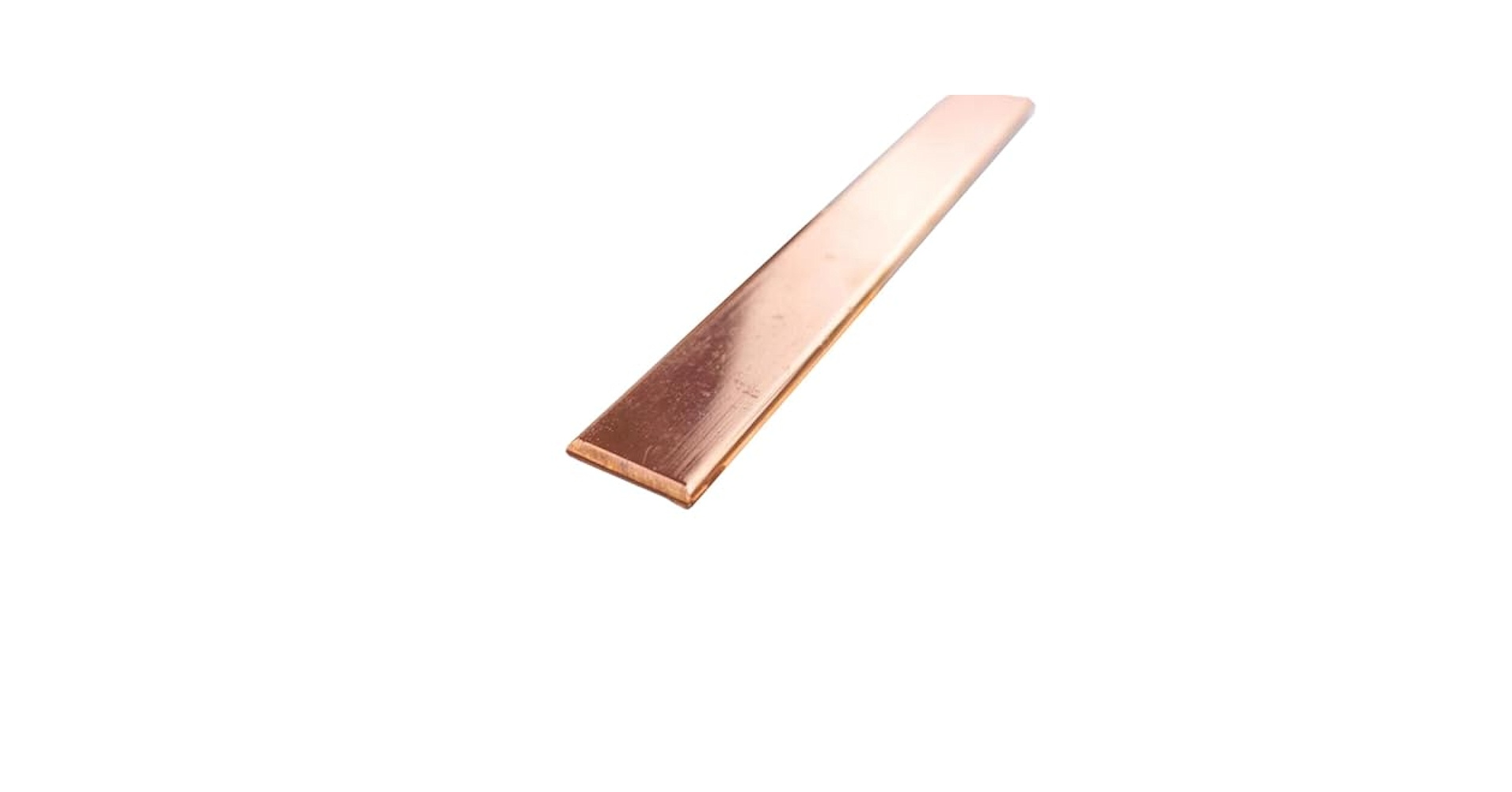
- Strip Electrode Manufacturers: A level metal strip (usually more copper or GI) in a trench. It is highly convenient in situations where rocks or shallow soil does not allow plates or rods to be driven in. Its effectiveness depends on the length of the strip.
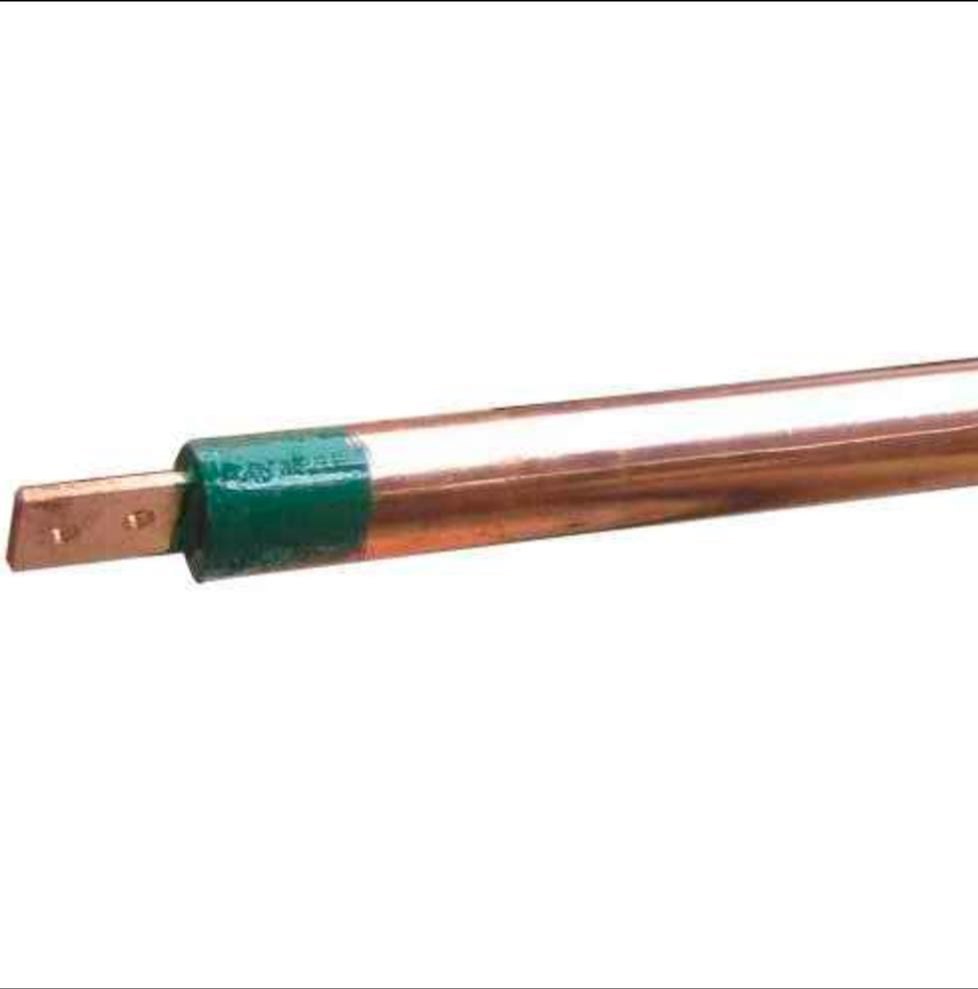
- Chemical Rod Electrode Manufacturers: Rod that is filled with chemical compounds aimed at increasing the soil conductivity. These are effective in cases where soil is of poor quality and low resistance cannot be achieved using regular electrodes.
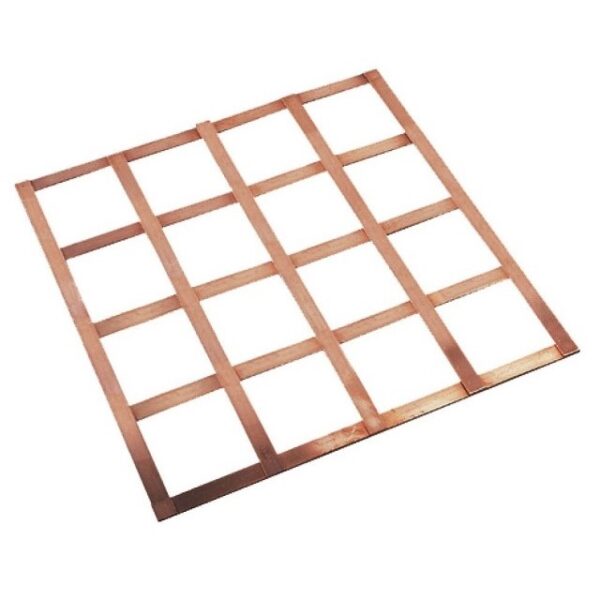
- Mat Earthing: Horizontal and vertical electrodes are integrated to form a network, commonly used in large-scale installations.

How Earthing Electrode Works?
- Step 1: Selecting the Electrode: The appropriate electrode type, material, dimensions, and configuration are selected based on the electrical system, soil conditions, environmental exposure, and project requirements.
- Step 2: Preparing the Installation Location: A suitable location is identified and prepared for installing the electrode, with the installation method depending on the selected electrode type and site conditions.
- Step 3: Installing the Electrode: The electrode is installed into the soil using an appropriate method, where rods and pipes may be driven vertically and other configurations are placed according to design.
- Step 4: Connecting the Earthing Conductor: An earthing conductor is securely connected between the electrical installation and the electrode using suitable clamps, connectors, or approved connection methods.
- Step 5: Providing Suitable Soil Contact: Effective contact between the electrode and surrounding soil is established, utilizing suitable backfill or earthing enhancement materials where specified by the design.
- Step 6: Testing the Earthing System: The completed earthing arrangement is tested using appropriate methods and instruments to verify that its electrical characteristics meet applicable safety requirements.
- Step 7: Periodic Inspection: The earthing system is inspected and tested at suitable intervals according to installation requirements, applicable standards, and ongoing maintenance practices.
Earthing Electrode Accessories and Installation Components
Proper accessories are essential for creating a secure and reliable earthing connection. Earthing Electrode Accessories help connect the electrode to the earthing conductor, protect connection points, provide inspection access, and maintain the overall integrity of the grounding system.
- Earthing Clamps: Established to secure a reliable connection between the electrode and the earthing conductor based on matching materials.
- Earthing Connectors: Provide reliable electrical and mechanical connections between different components of the grounding arrangement to maintain continuity.
- GI or Copper Earthing Strip: Commonly used as earthing conductors to carry fault current safely between electrical equipment and the earthing electrode.
- Earthing Cable: Connects electrical equipment, panels, and structures to the electrode, with conductor size selected according to installation requirements.
- Inspection Chamber: Provides convenient access to the electrode and connection point for routine inspection, testing, and maintenance activities.
- Test Link: Allows the earthing connection to be temporarily disconnected during testing for periodic electrical measurements.
- Backfill or Earthing Enhancement Compound: Applied around electrode installations to improve electrical contact with surrounding soil where required by design.
- Nuts, Bolts and Fasteners: Corrosion-resistant hardware used to secure clamps, strips, and connectors while maintaining reliable mechanical and electrical bonds.
- Protective Coating: Applied to connection points or components where additional corrosion protection is required, remaining compatible with base materials.
- Cable Lugs: Provide a secure termination between an earthing cable and its connection point to maintain reliable electrical continuity.
Technical Specifications of Earthing Electrode Manufacturers in India
As a trusted Earthing Electrode Supplier in India, we serve businesses across various industries that meet professional visual communication requirements.
| Parameter / Specification Category | Details / Options |
|---|---|
| Material | Copper / GI / Copper-Bonded Steel Composite |
| Electrode Type | Rod, Pipe, Plate, Chemical, Deep-Driven, or Customized Configurations |
| Available Size/Range | As required / Project Dependent / Various lengths and diameters |
| Application | Electrical Earthing, Ground Connection, Industrial & Commercial Safety |
| Surface/Coating | Copper / Zinc / Project Specific Corrosion Protection Finishes |
| Connection Type | Clamp / Threaded / Compatible Metal Conductor Connection |
| Installation & Backfill | Vertical / Site Specific with Suitable Earthing Enhancement Compound |
Features and Benefits of Earthing Electrode
As Earthing Electrode Exporters in India, our products provide several features and benefits including consistent quality, smooth finish, and long service life.
| Features | Benefits |
|---|---|
| High Electrical Conductivity | Provides an effective path for fault current dissipation |
| Corrosion-Resistant Materials | Supports long-term performance in diverse environments |
| Robust Construction | Provides mechanical stability during installation processes |
| Multiple Configurations | Allows precise selection according to site soil requirements |
| Reliable Ground Connection | Supports effective electrical earthing and safety |
| Suitable for Various Applications | Can be used safely across industrial and commercial installations |
| Easy Installation | Simplifies site setup when correctly engineered |
| Low Maintenance Options | Certain advanced systems reduce routine maintenance requirements |
| Customizable Design | Accommodates unique project-specific specifications |
| Long-Term Performance | Supports dependable and stable earthing system operation |
Applications of Earthing Electrode
As Earthing Electrode Manufacturers in India, our all types are used in various types of industrial sectors such as:
- Industrial Plants: Used as part of electrical safety systems in manufacturing and processing facilities to provide appropriate grounding.
- Power Plants: Form part of grounding arrangements used for heavy electrical equipment, structures, and generation systems.
- Commercial Buildings: Incorporate suitable electrodes to provide dependable electrical grounding for building installations and equipment.
- Residential Buildings: Used as part of residential electrical earthing networks to support overall electrical safety.
- Data Centers: Vital in data center electrical infrastructure for stable grounding of sensitive equipment and electrical systems.
- Solar Power Systems: Form grounding arrangements for solar installations, supporting the protection of associated electrical hardware.
- Telecommunication Facilities: Used in grounding systems for telecommunications equipment, infrastructure, and associated utility installations.
- Water Treatment Plants: Provide grounding for electrical machinery and installations in wastewater treatment environments.
- Infrastructure Projects: Incorporated into electrical grounding layouts used across large-scale infrastructure and utility projects.
- Manufacturing Facilities: Support grounding frameworks for machinery, control panels, and industrial electrical systems.
Why Choose Us?
- Stable Product Quality: We focus on maintaining consistent product quality through appropriate manufacturing practices and strict quality-focused processes.
- Experience Since 2008: Starting as Pratik Enterprises, we have grown into a Private Limited Company while developing deep technical capabilities.
- Customer Trust: We value customer relationships, striving to maintain dependable business cooperation and attention to specific project needs.
- Skilled Workforce: Our experienced employee team contributes specialized technical knowledge, commitment, and dedication to our production lines.
- Customer-Focused Solutions: We understand that earthing requirements vary greatly and work to deliver tailored solutions based on actual site parameters.
Pratik Cabletray Private Limited is a leading Earthing Electrode Manufacturer, Supplier, and Exporter in India. An Earthing Electrode is an important part of an effective electrical earthing system, providing a conductive connection between an electrical installation and the ground. Proper selection, installation, connection, and testing of the electrode contribute to electrical safety and reliable system performance. We bring our experience since 2008, customer-focused approach, stable product quality, and skilled workforce to provide dependable solutions designed around diverse industrial, commercial, and infrastructure applications.
FAQs: Earthing Electrode Manufacturers in India
An Earthing Electrode is a conductive component installed in contact with the earth and connected to an electrical installation, providing a path for fault and leakage currents.
Its primary purpose is to provide an effective electrical connection between an installation and the earth, forming a critical foundation for electrical safety.
Common materials include copper, galvanized iron (GI), and copper-bonded steel, selected based on electrical and soil corrosion characteristics.
Common types include rod, pipe, plate, copper, GI, copper-bonded, chemical, deep-driven, and customized earthing electrodes.
They are used in residential buildings, commercial facilities, industrial plants, power systems, solar installations, telecommunications, data centers, and infrastructure projects.
Installation depends on site conditions and electrode type, typically involving driving or placing the electrode into the ground and linking it via an earthing conductor.
Yes, materials like copper, galvanized steel, and copper-bonded variants offer high corrosion resistance suited to environmental exposure conditions.
Testing frequency depends on installation type, standards, and maintenance schedules, with periodic inspections used to verify ongoing performance.
Yes, dimensions, materials, configurations, and connection setups can be tailored according to project requirements and technical specifications.
Selection depends on soil conditions, electrical performance needs, material longevity, installation depth, corrosion exposure, and electrical installation design.